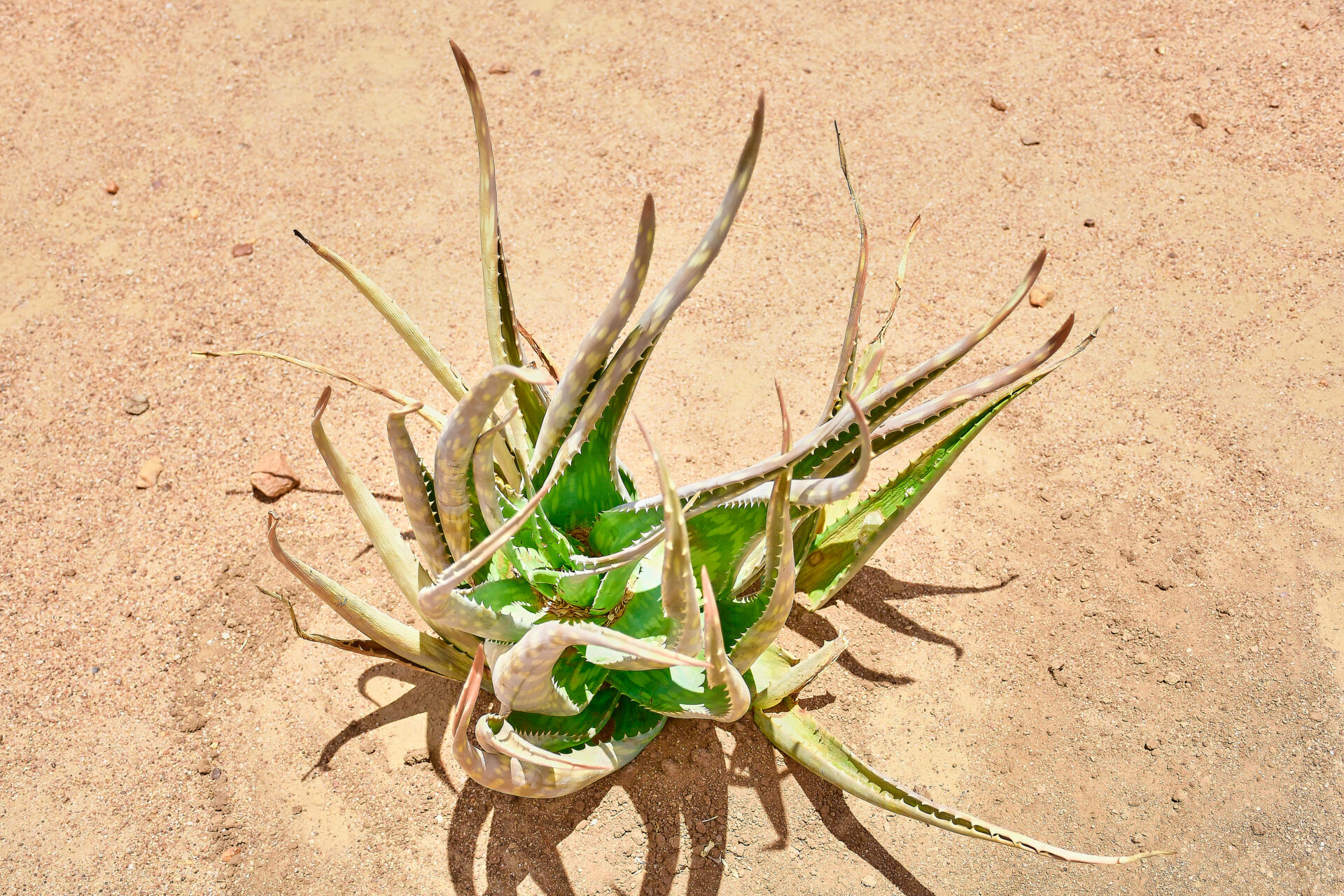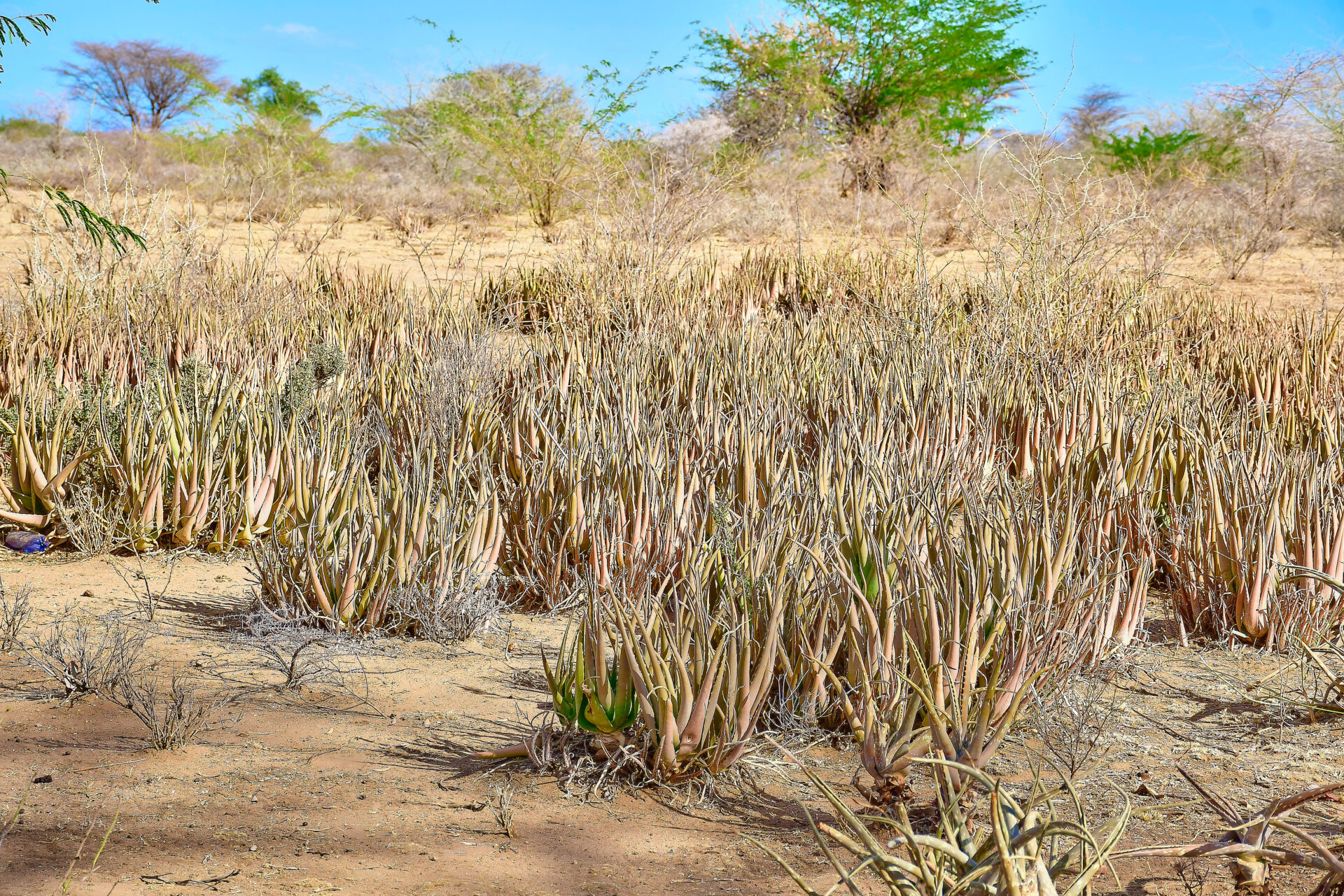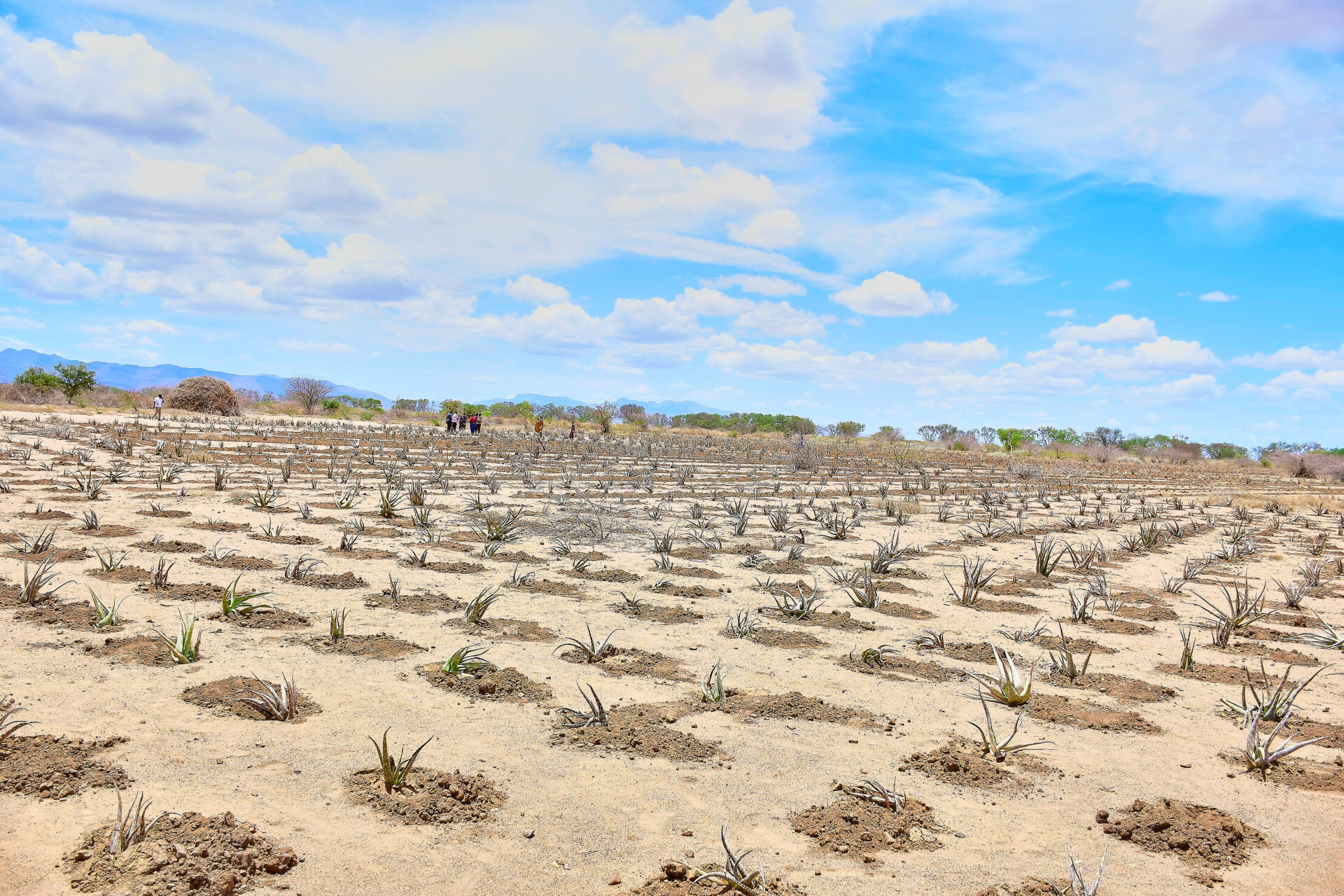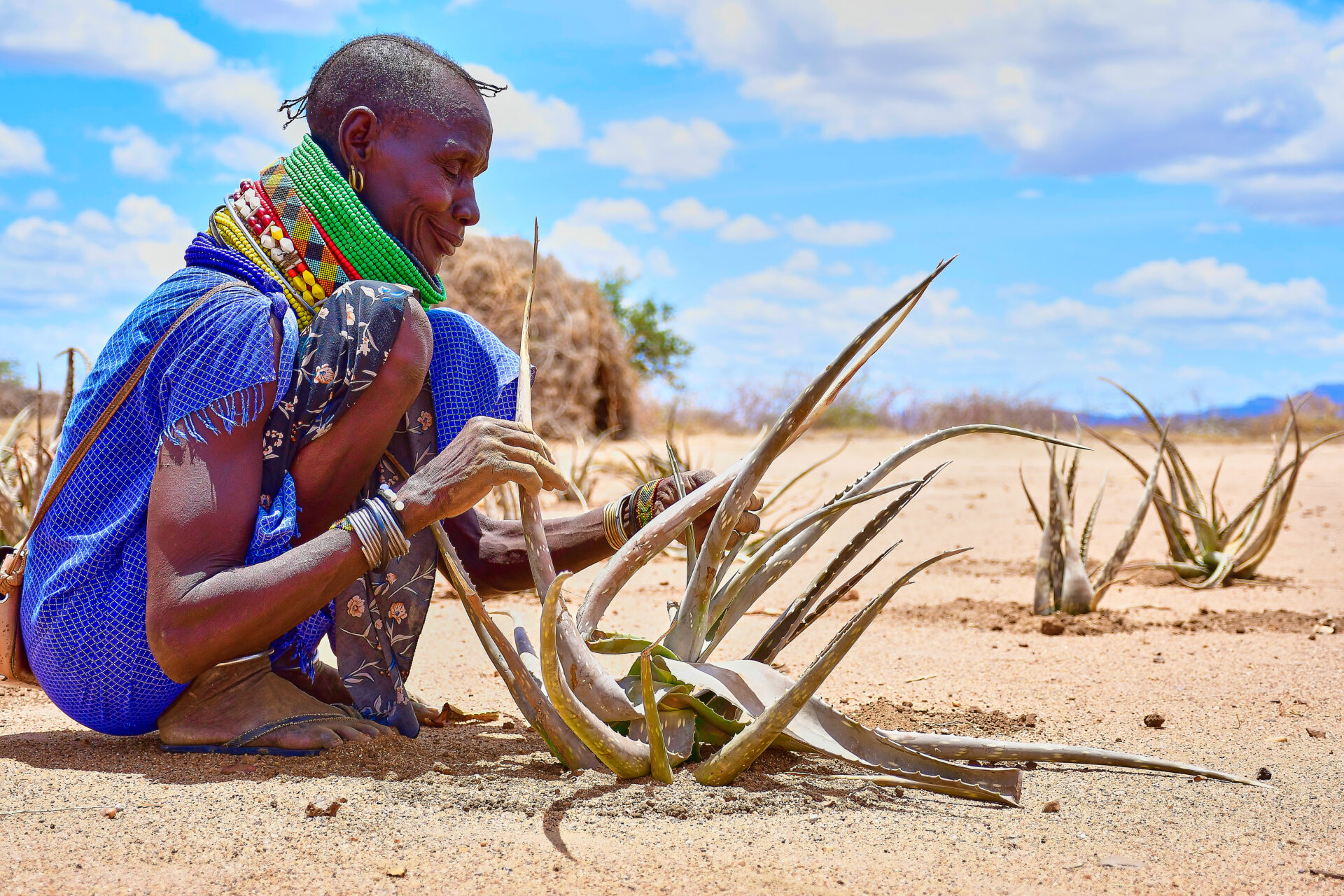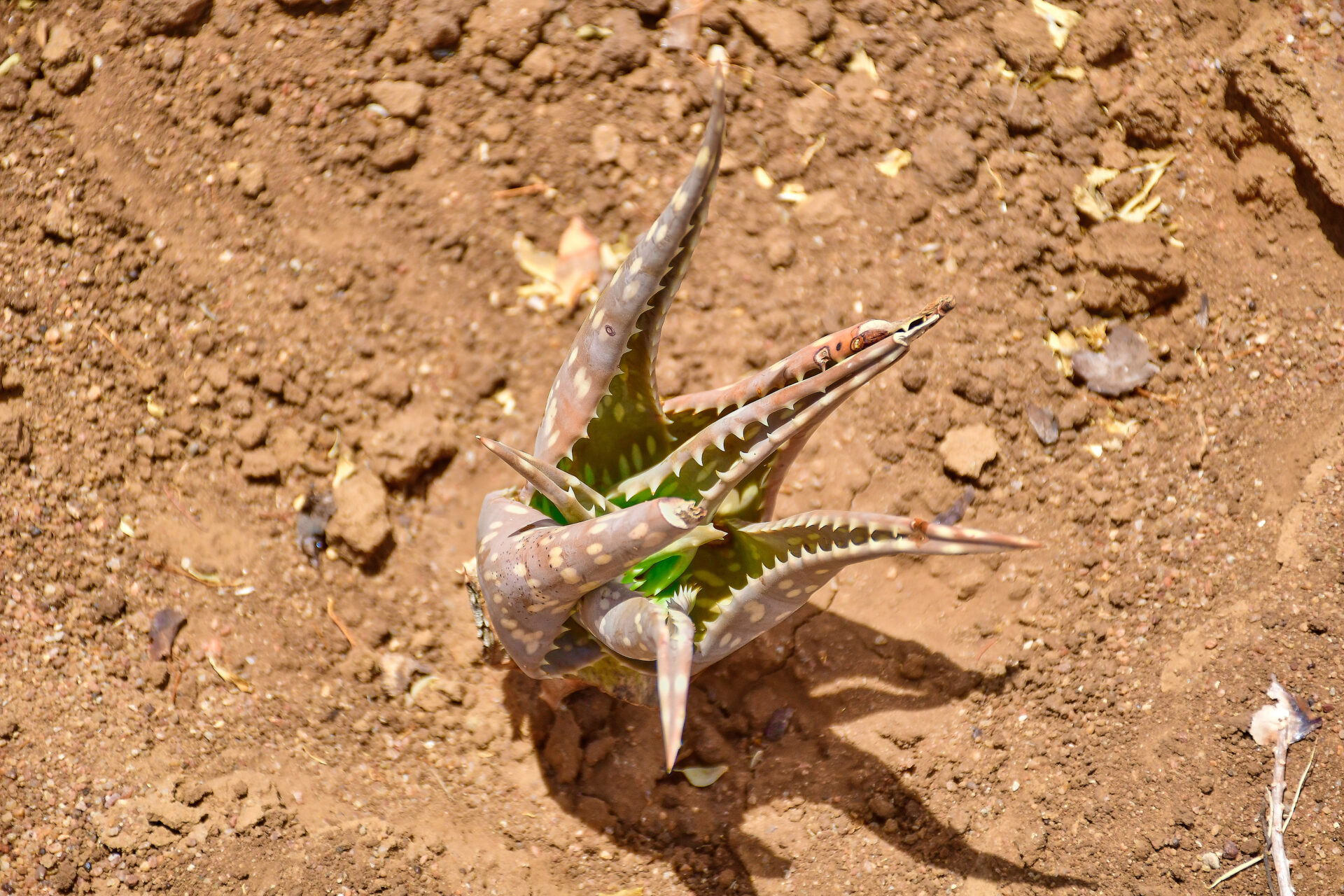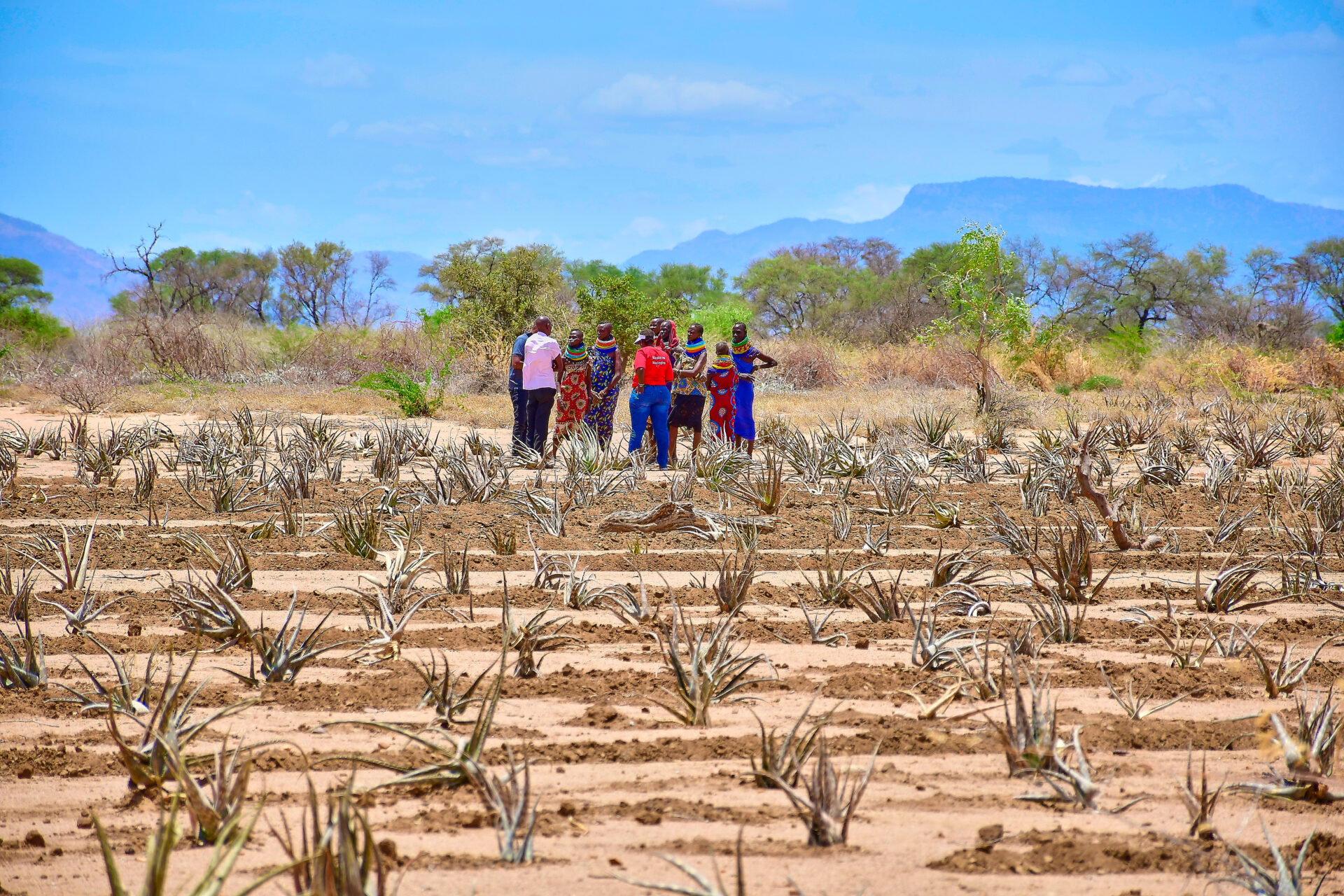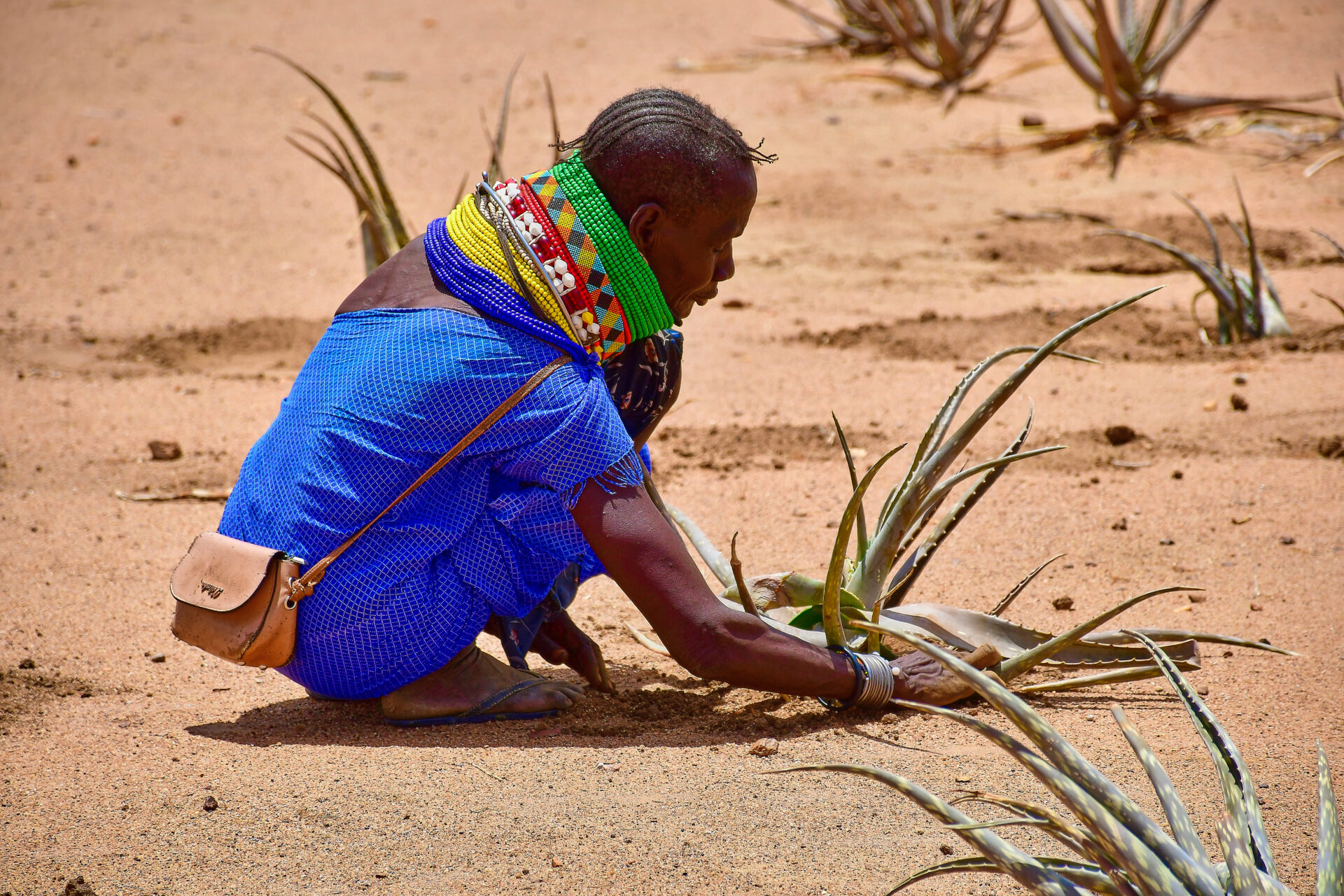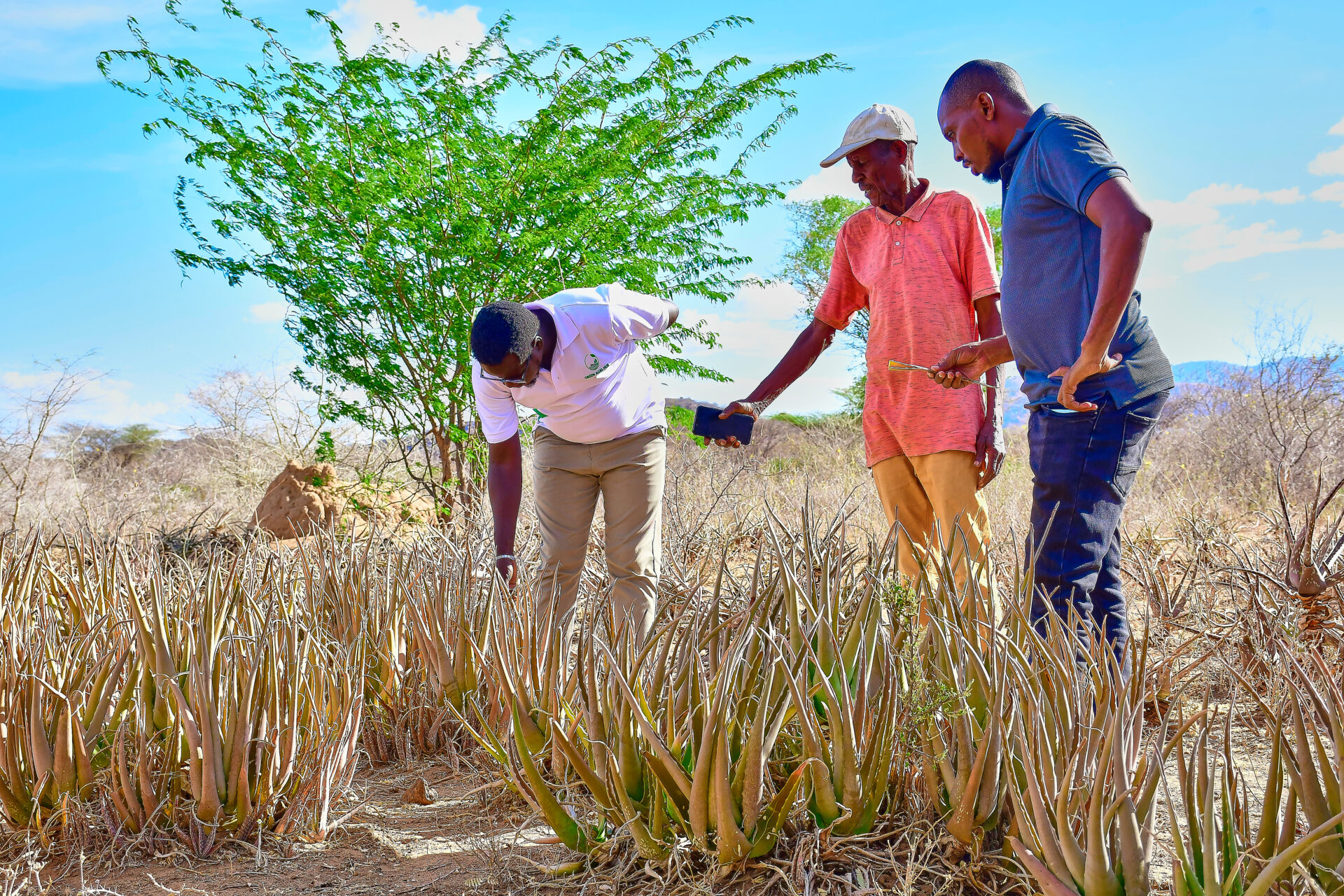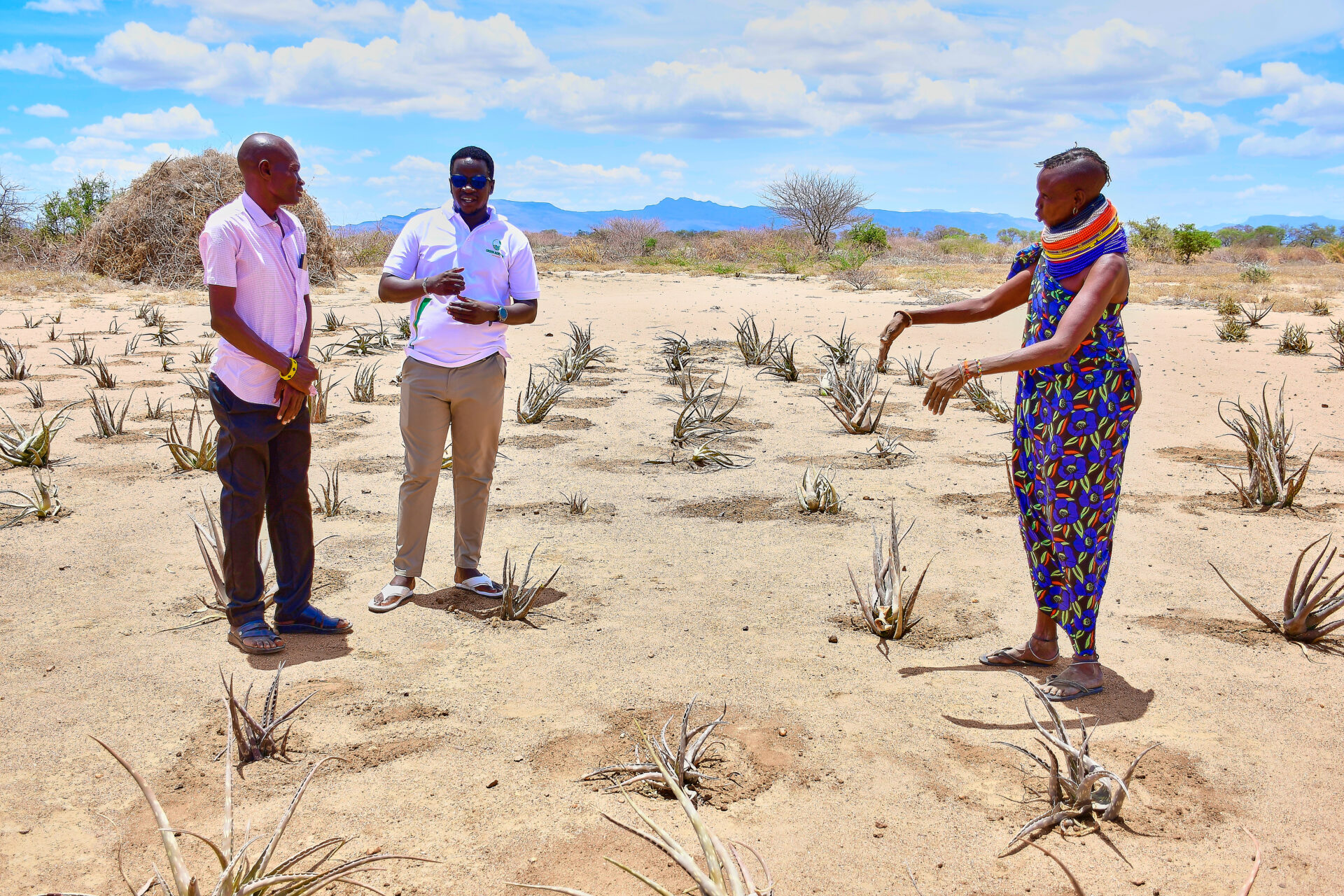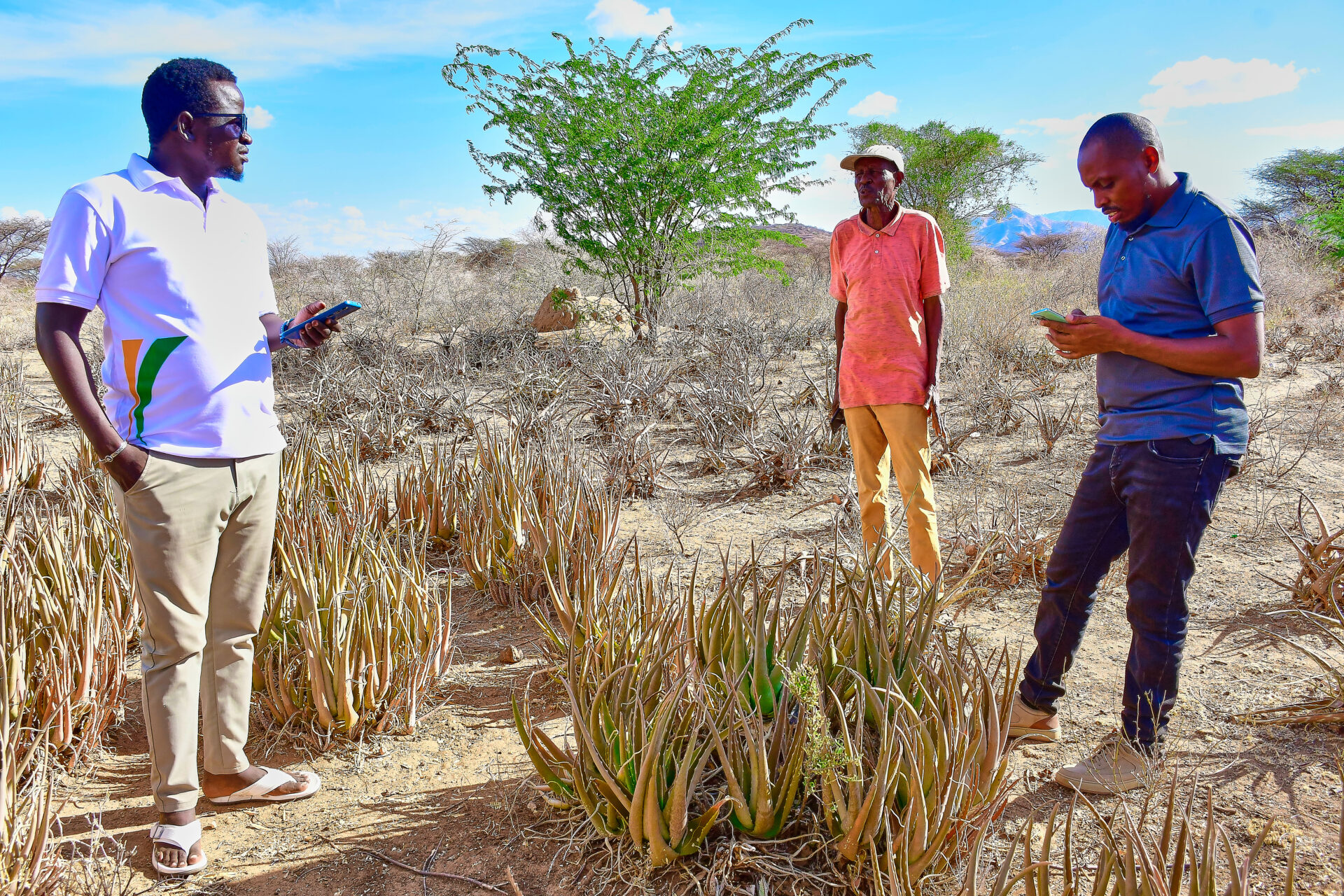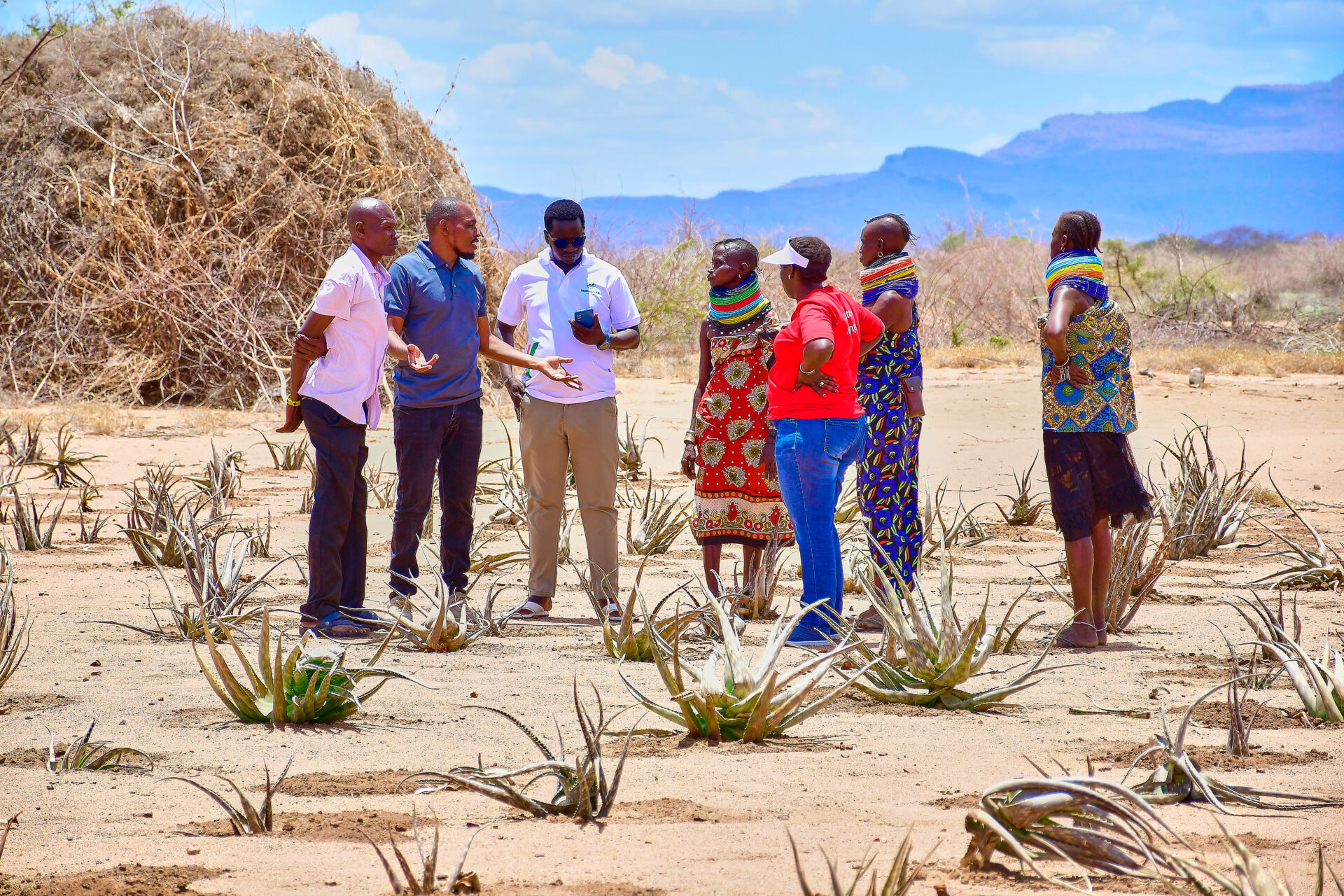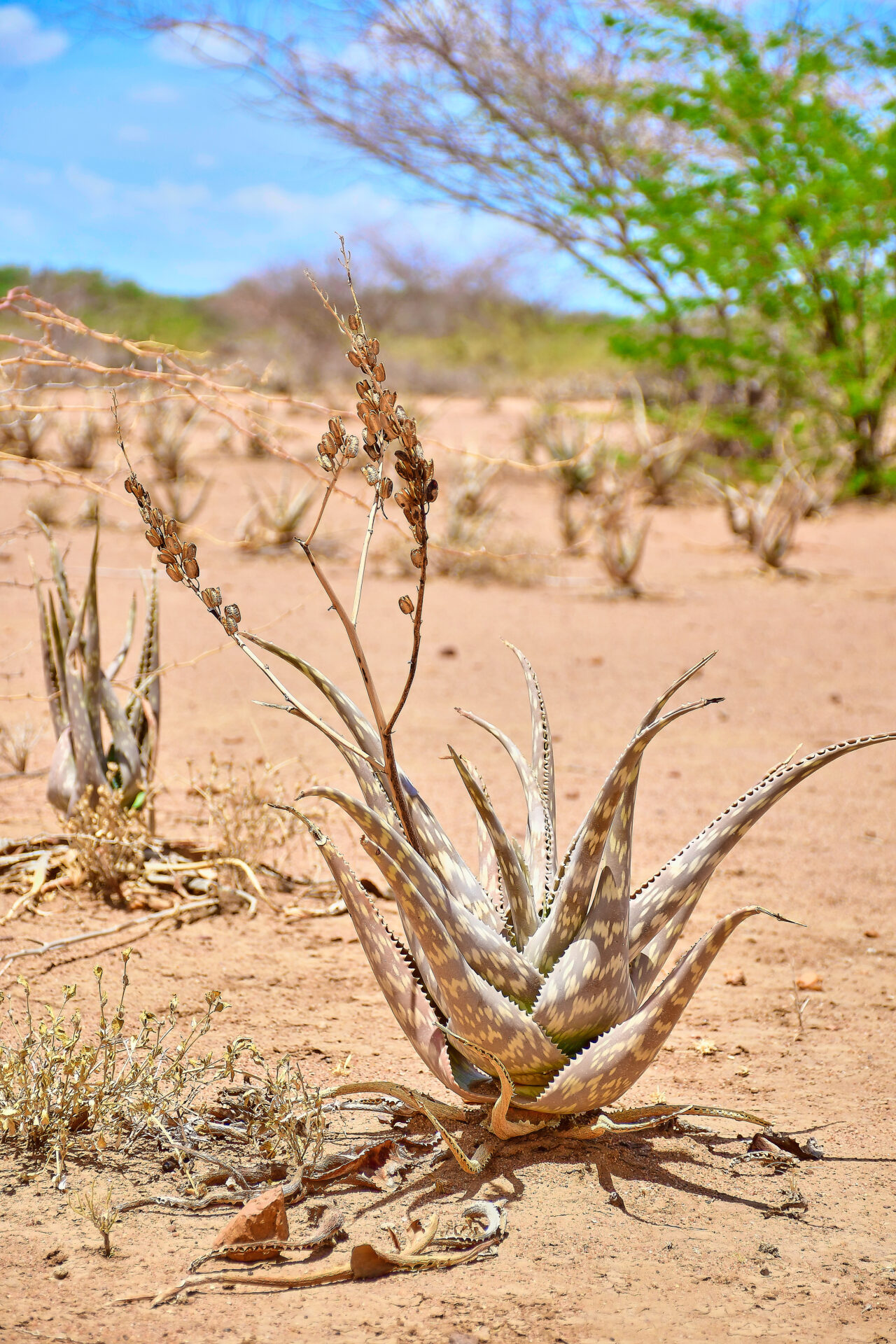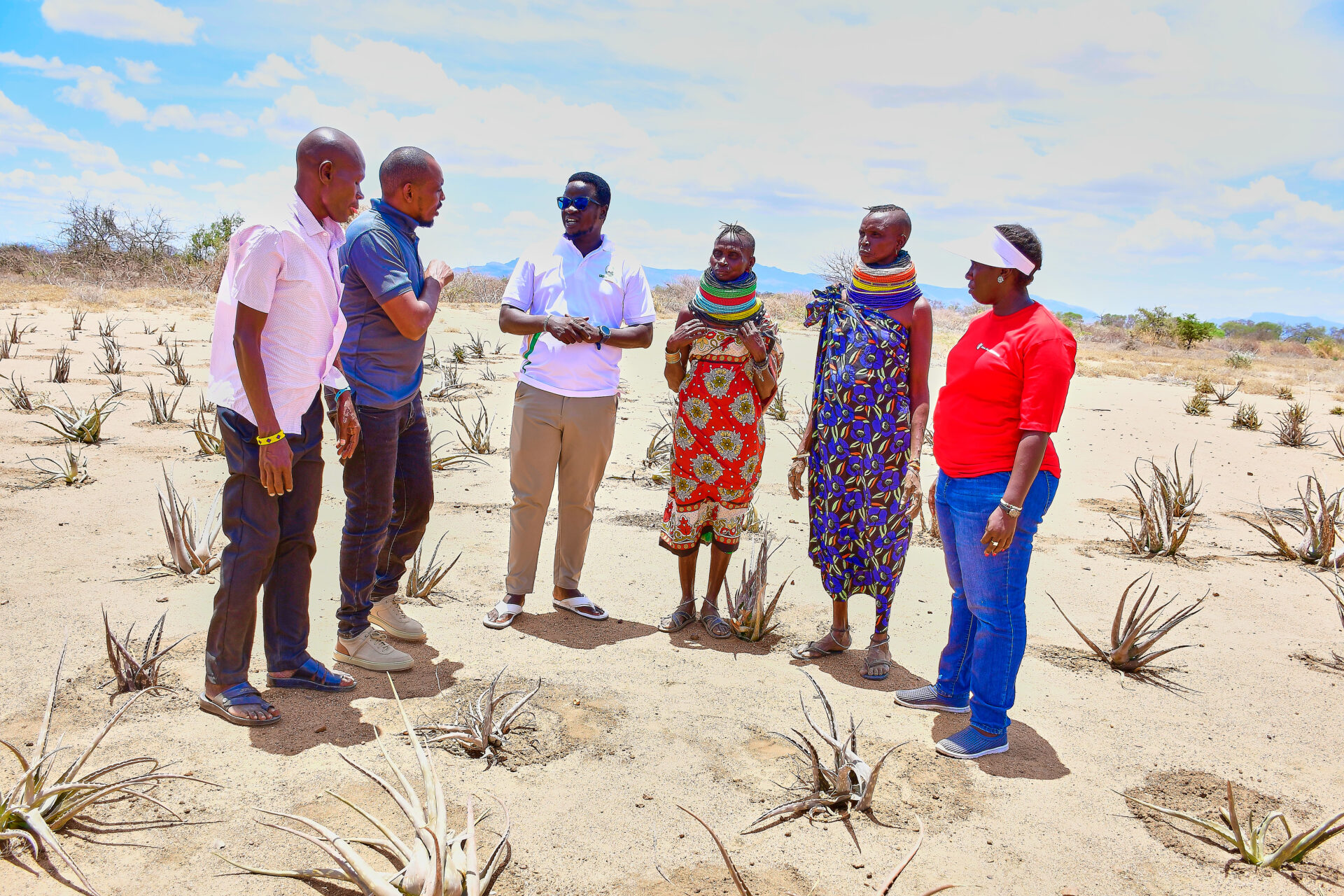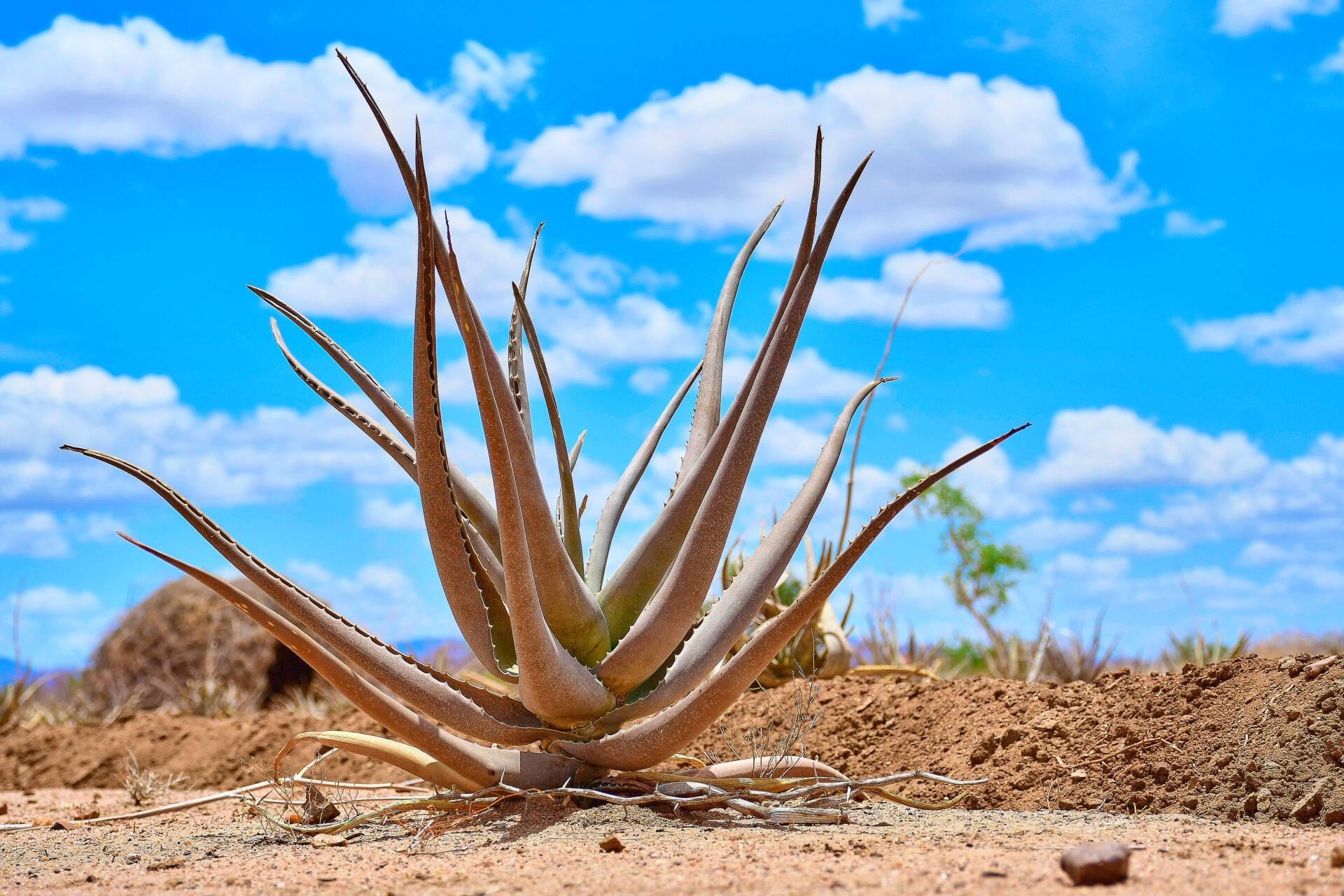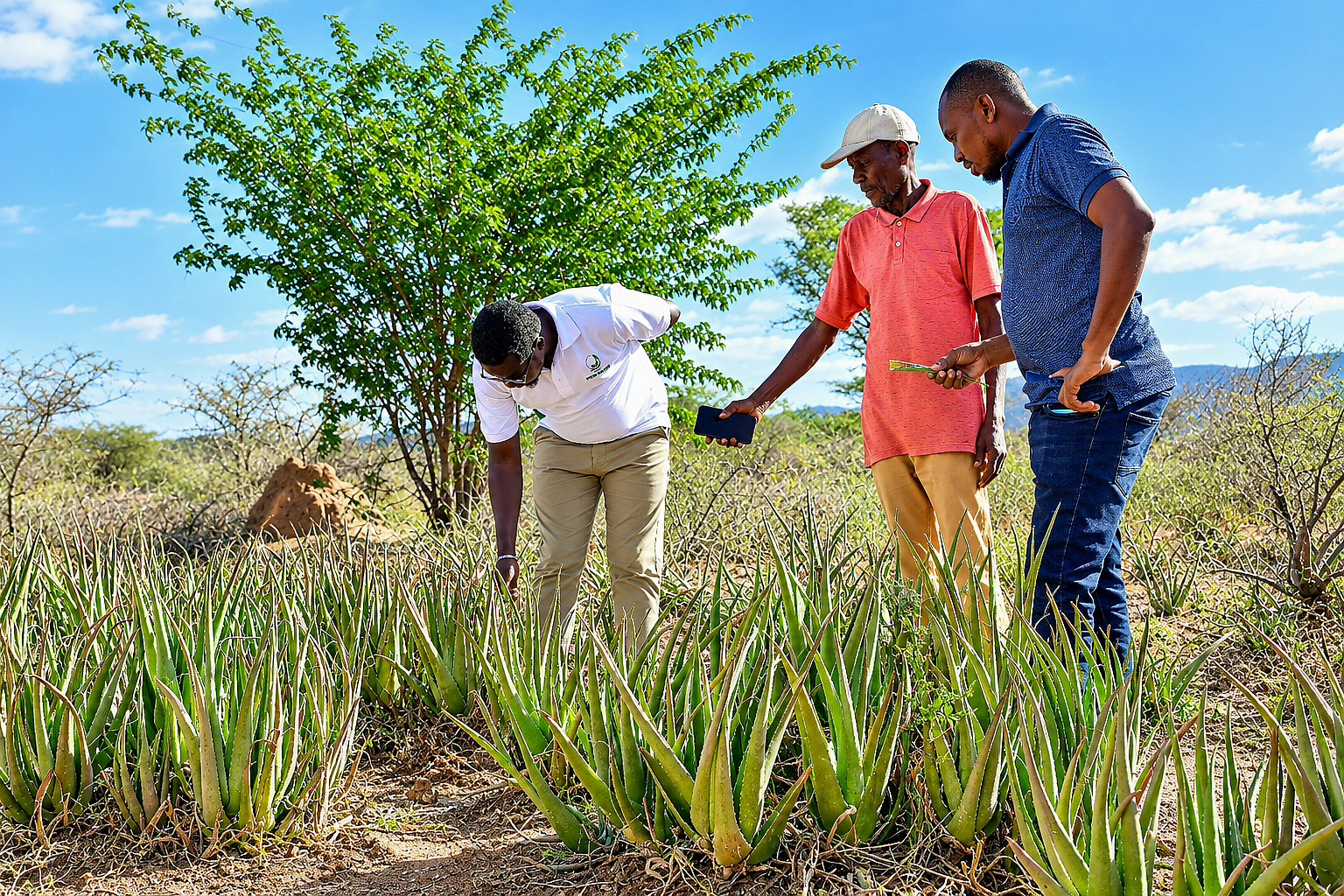
A significant step towards strengthening climate resilience and promoting sustainable livelihoods in Turkana West has been achieved following the conclusion of an Aloe propagation pre-feasibility assessment conducted in partnership with the Kenya Forestry Research Institute (KeFRI). The assessment explored the potential for supporting Aloe propagation as a climate-smart livelihood opportunity, culminating in the identification of two farms—Morung’ole Farm and Nanam Farm—as potential sites for rolling out the initiative.
The assessment sought to establish the suitability and potential of Aloe propagation within the local context, taking into consideration the area’s harsh climatic conditions, limited water resources, and the need for sustainable, nature-based livelihood options. Through the partnership with KeFRI, the process provided an opportunity to explore the potential of Aloe as a resilient plant resource that can contribute to environmental conservation, livelihood diversification, and economic opportunities for local communities.
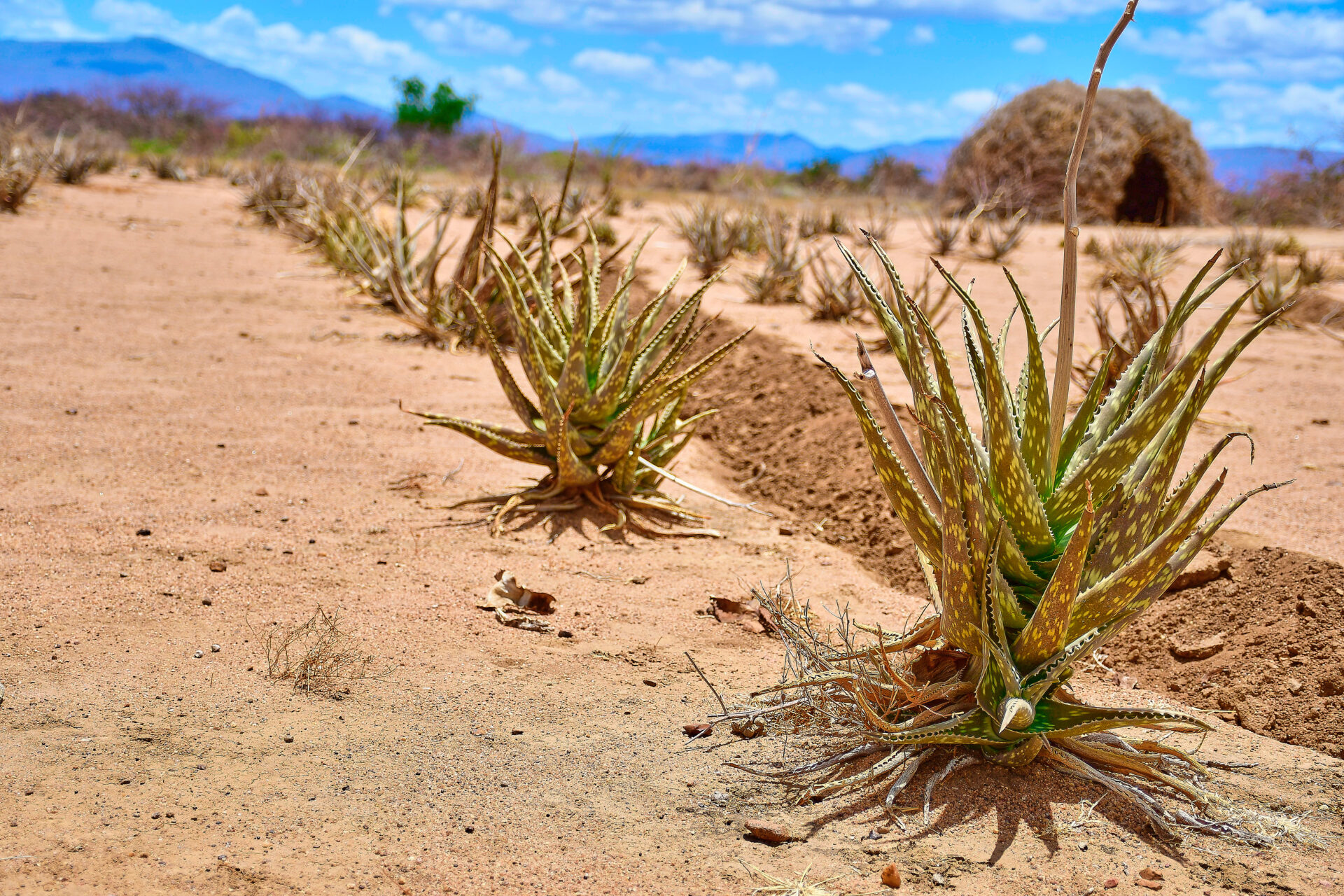
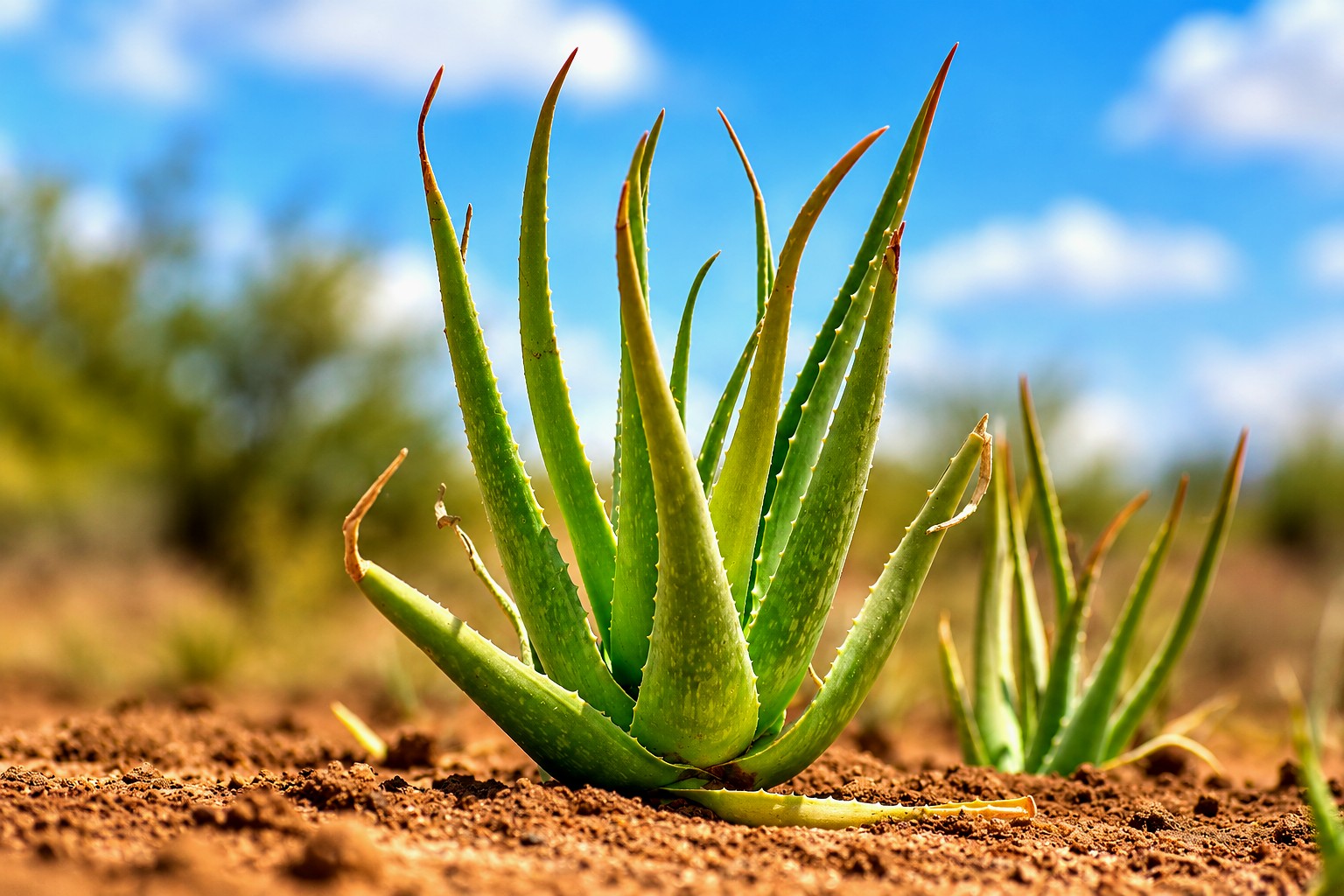
Turkana West is characterised by arid and semi-arid conditions, where recurrent droughts, unpredictable rainfall, and land degradation continue to challenge conventional agricultural practices. In this context, Aloe presents a promising opportunity because of its adaptation to dry environments and potential to thrive under conditions where many conventional crops struggle. Promoting its propagation can therefore help communities diversify their livelihood strategies while making productive use of locally suitable plant resources.
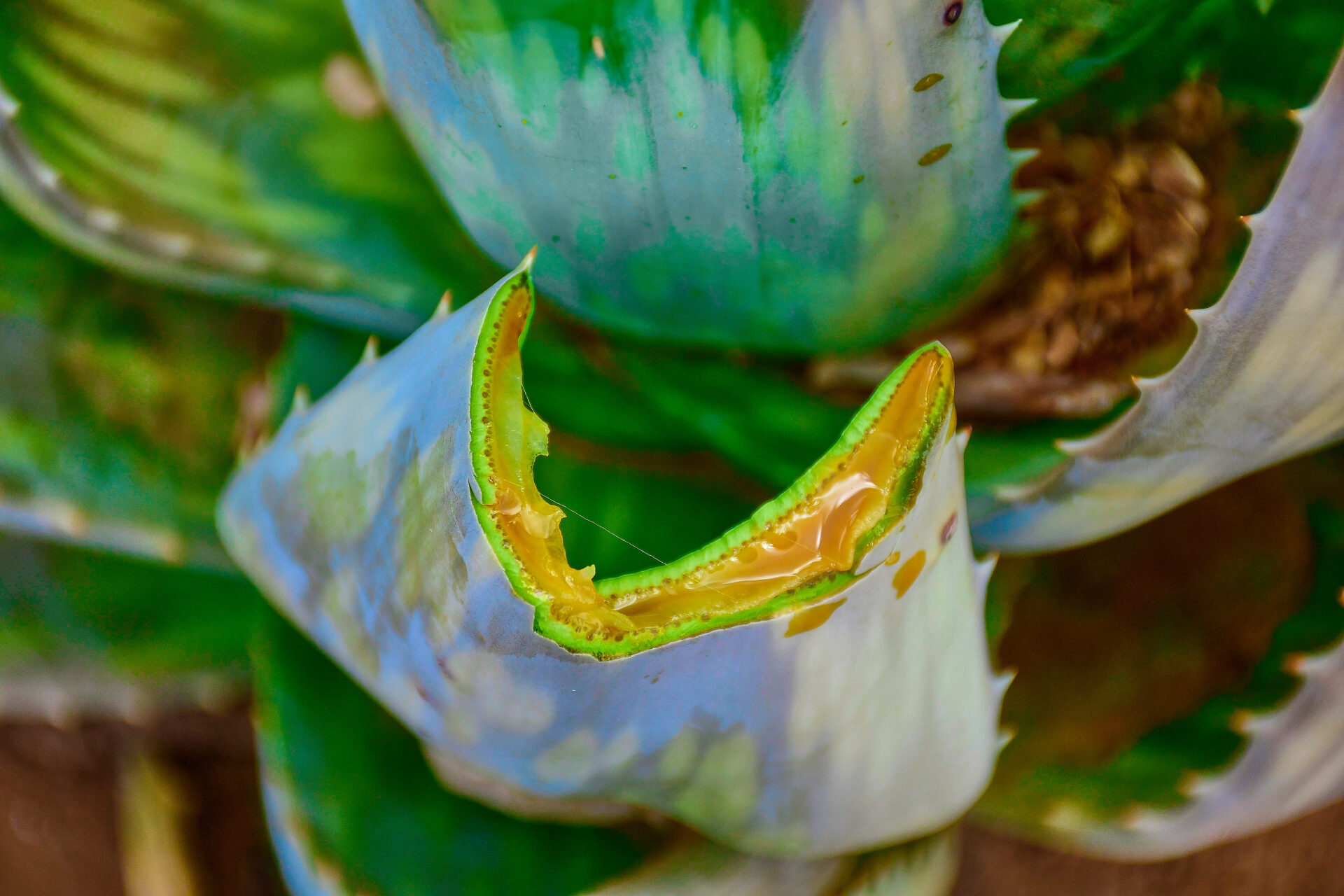
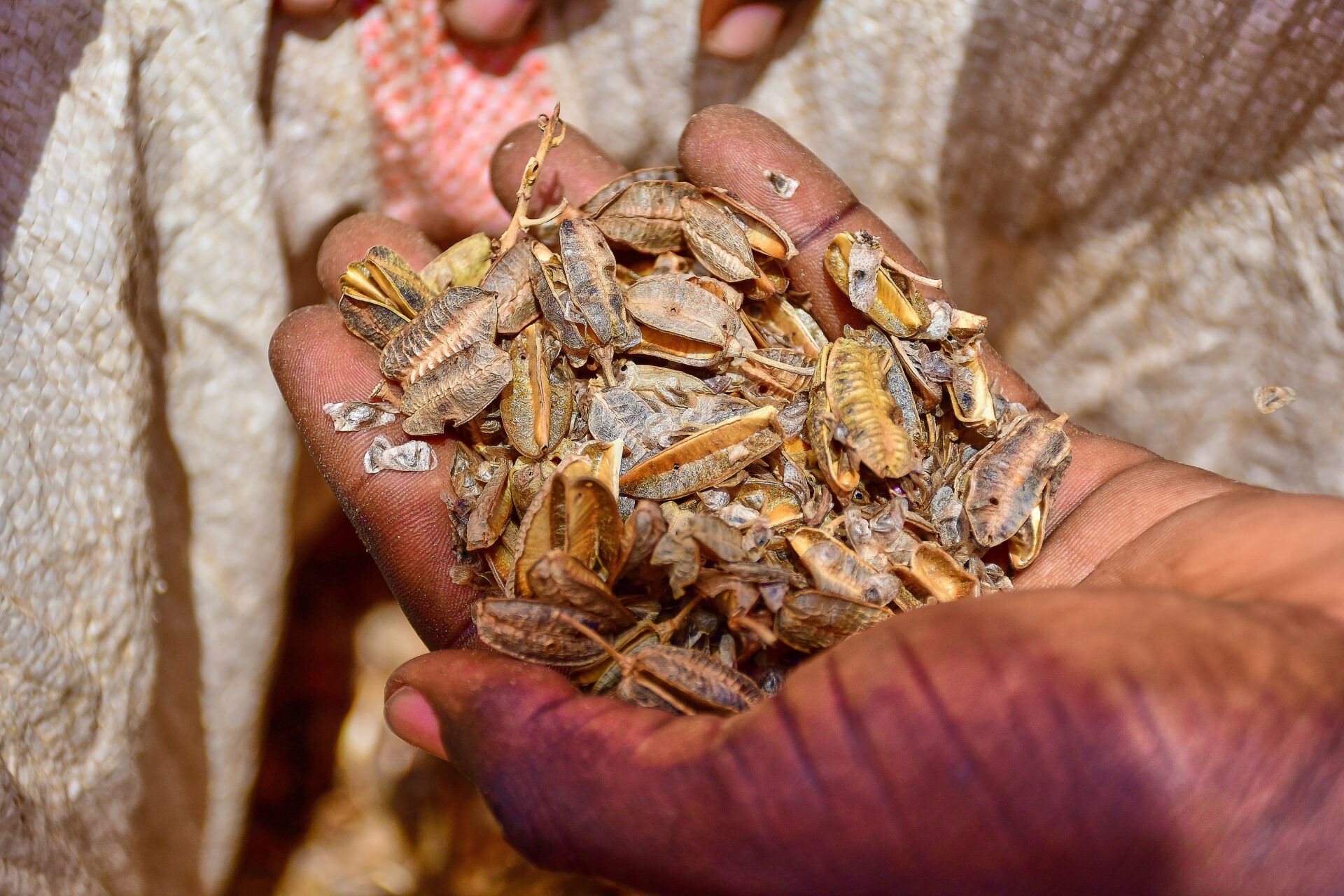
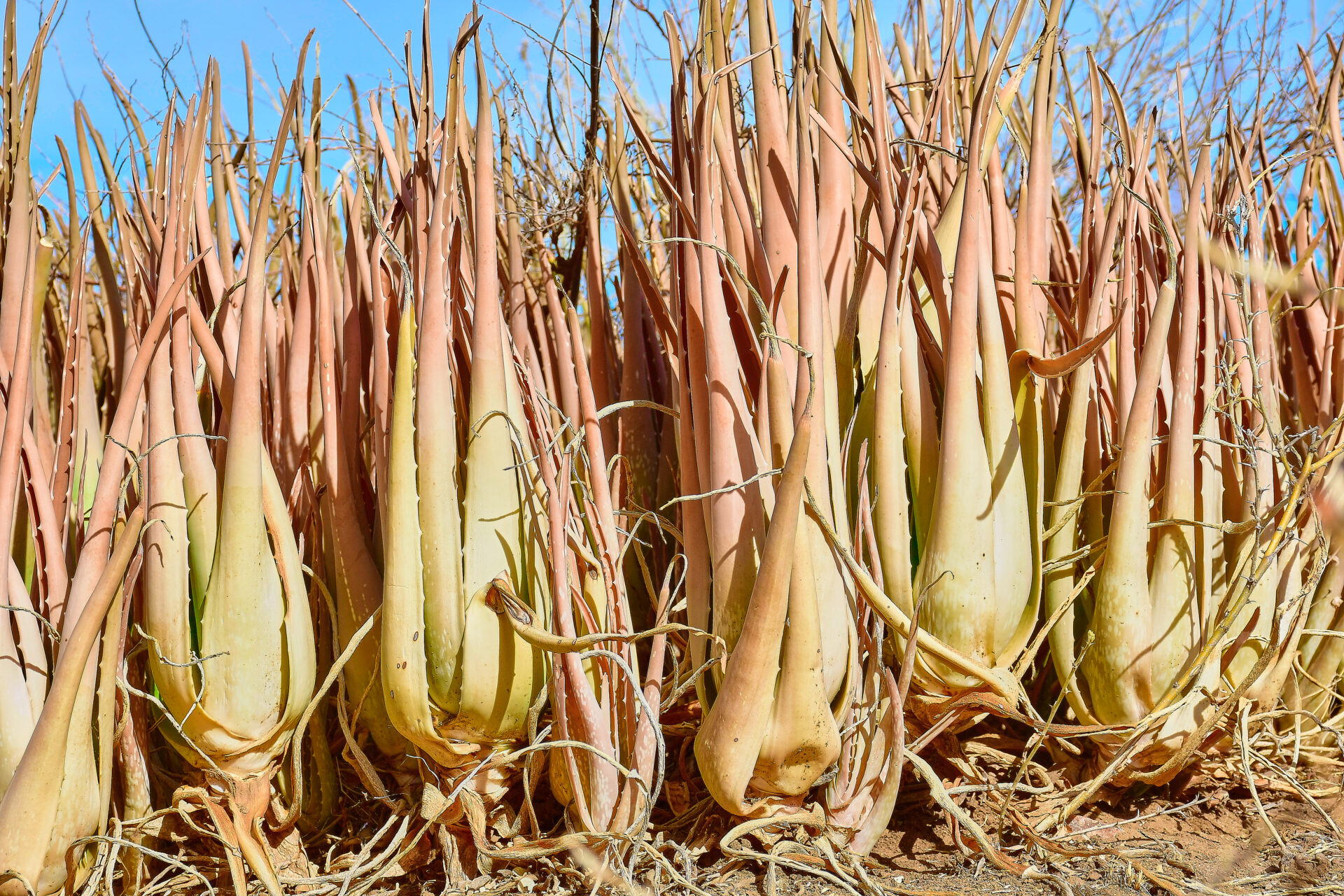
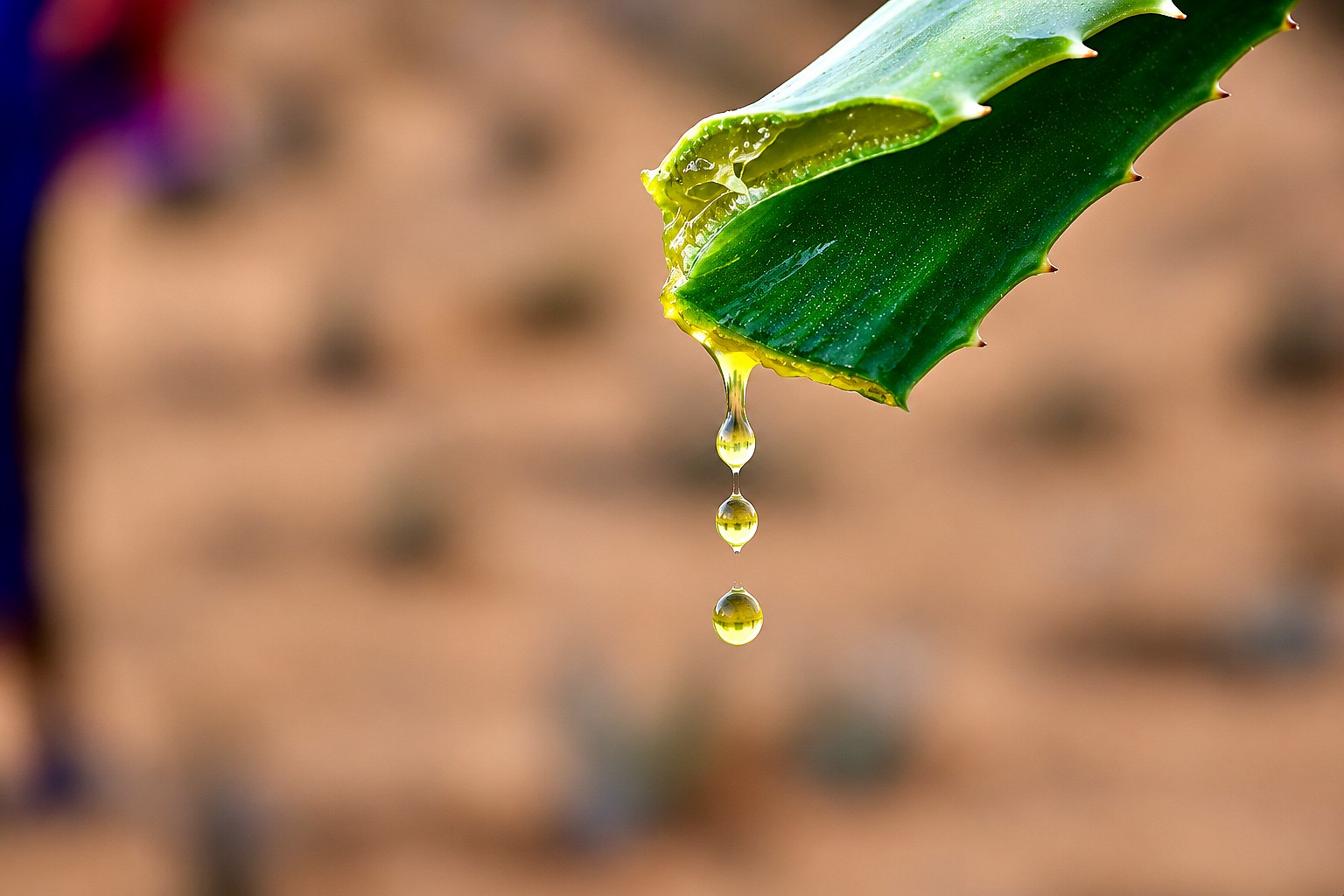
The Aloe value chain offers several opportunities beyond propagation. These include the production and supply of planting materials, harvesting and processing of Aloe leaves, extraction of Aloe gel and latex where appropriate, and the development of value-added products for potential local and wider markets. Depending on the Aloe species, quality requirements, processing capacity, and market demand, these products may support the manufacture of cosmetics, personal-care products, herbal preparations, and other Aloe-based products. Developing these value chains presents an opportunity to connect local production with markets, create income-generating opportunities, and strengthen community participation in sustainable natural resource management.
Importantly, the initiative demonstrates a practical approach to climate change adaptation. By promoting a drought-tolerant plant suited to arid environments, the project seeks to reduce dependence on water-intensive agricultural activities and diversify livelihoods exposed to climate-related shocks. Aloe propagation, when supported by appropriate harvesting practices and sustainable resource management, can also contribute to land restoration and the conservation of indigenous plant resources. Its potential benefits, however, will depend on the selected species, propagation methods, site conditions, and the availability of viable markets.
The identification of Morung’ole Farm and Nanam Farm marks an important milestone in translating the assessment findings into practical action. The two farms will serve as the proposed rollout sites for Aloe propagation, creating an opportunity to test suitable propagation approaches, build local capacity, and generate lessons that can inform future scaling of the initiative across Turkana West.
The next phase will focus on establishing the necessary propagation systems, strengthening technical capacity in collaboration with relevant partners, and exploring viable market linkages along the Aloe value chain. Attention to sustainable harvesting, quality standards, processing options, and market access will be essential in ensuring that the initiative delivers lasting economic and environmental benefits.
The conclusion of the pre-feasibility assessment is therefore more than the identification of two potential project sites. It represents an important step towards integrating climate adaptation, biodiversity conservation, and livelihood development through a locally relevant and potentially market-oriented intervention.
Through the proposed rollout at Morung’ole and Nanam Farms, the Aloe propagation initiative seeks to demonstrate how nature-based solutions can help communities in Turkana West respond to a changing climate while unlocking opportunities for sustainable enterprise and resilient livelihoods. With continued collaboration between GAI, KeFRI, the project partners, and local stakeholders, Aloe could become an important component of broader efforts to build climate-resilient livelihoods in Kenya’s arid and semi-arid lands.