


From 20-23rd October 2026, the Green Agri-Hub Initiative (GAI), through the PIRDERA Project under Mastercard RUFORUM TAGDev 2.0, conducted a field
monitoring visit across Turkana North and Turkana West subcounties of Turkana County to assess progress, document emerging outcomes, and track changes
against the project’s baseline indicators.
Sites and groups visited
The monitoring team visited seven project sites and groups:
- Namorotot-Narengekurut, Turkana North
- Kaao, Turkana North
- Kakuma Social Agri-Ventures (KSAV), Kakuma Refugee Camp, Turkana West
- Bidii Yetu for Change CBO, Kakuma Refugee Camp, Turkana West
- Sunrise CBO, Kakuma Refugee Camp, Turkana West
- Atopis Beekeepers, Kalobeyei Host Community, Turkana West
- Ngalukumong Women Group, Kalobeyei Host Community, Turkana West
How we collected the data
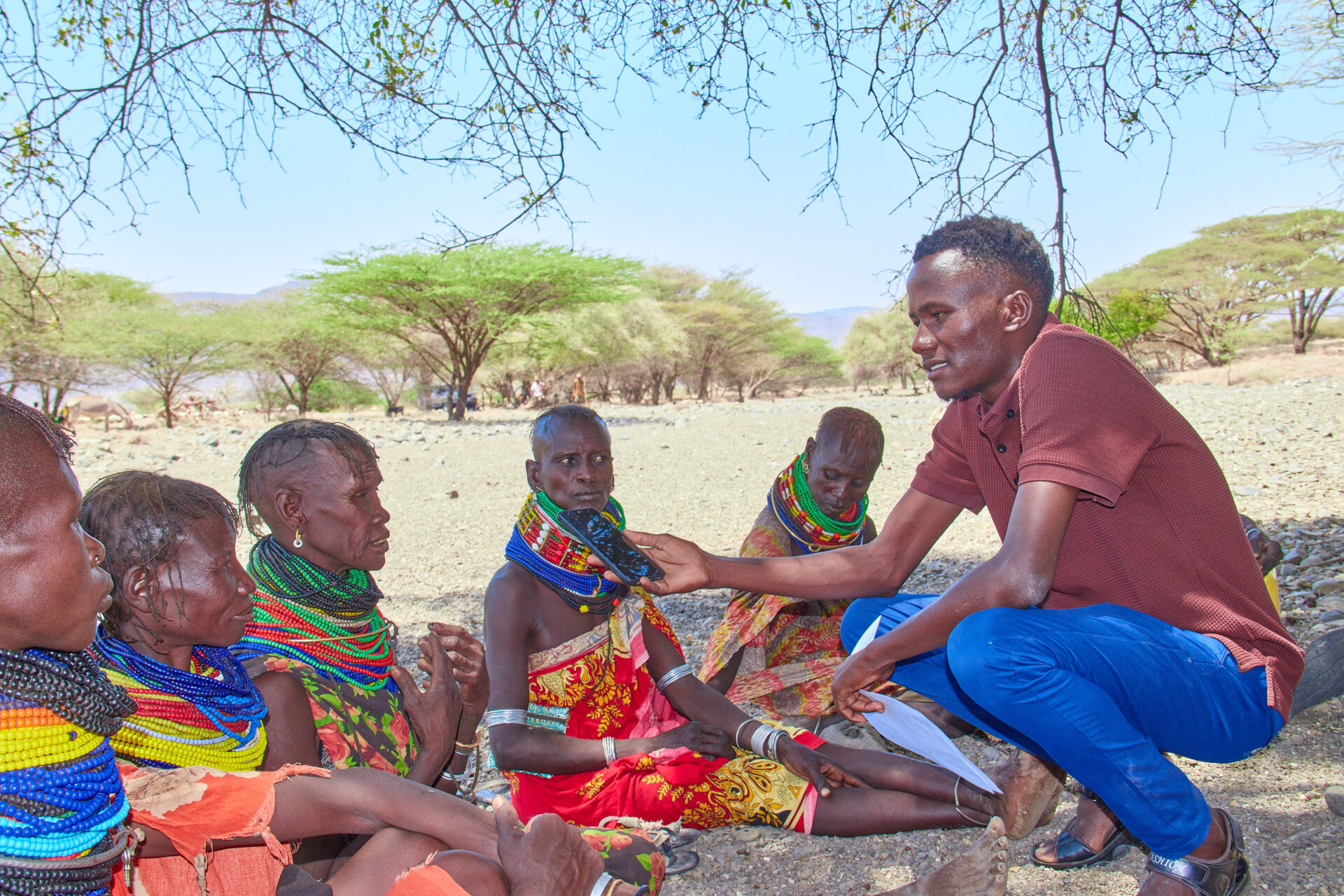
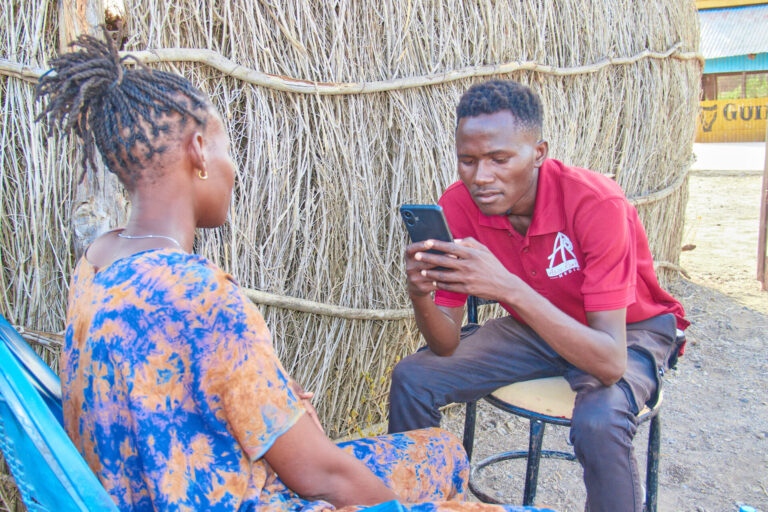
Using digital data collection tools on KoboToolbox, 3 enumerators conducted 45 participant interviews to gather insights into climate-smart agriculture (CSA)
practices, agricultural productivity, access to inputs and markets, savings and Village Savings and Loan Associations (VSLAs), barriers to participation, and
participants’ experiences with project activities.
What the monitoring focused on
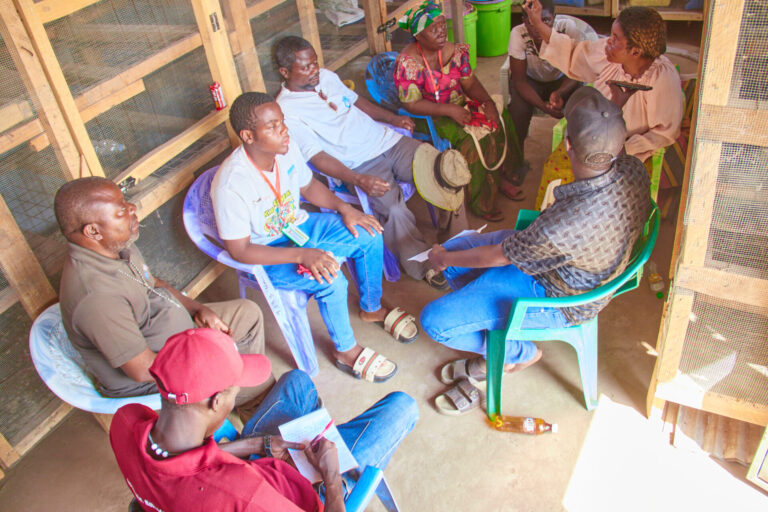
To complement the quantitative data, the team also administered 6 Focus Group Discussions (FGDs) and 8 Key Informant Interviews (KIIs), capturing
perspectives from community members, project partners and other relevant stakeholders. These discussions explored what is working, the challenges participants
face, inclusion of women and youth, sustainability of project-supported activities, and opportunities for improvement.
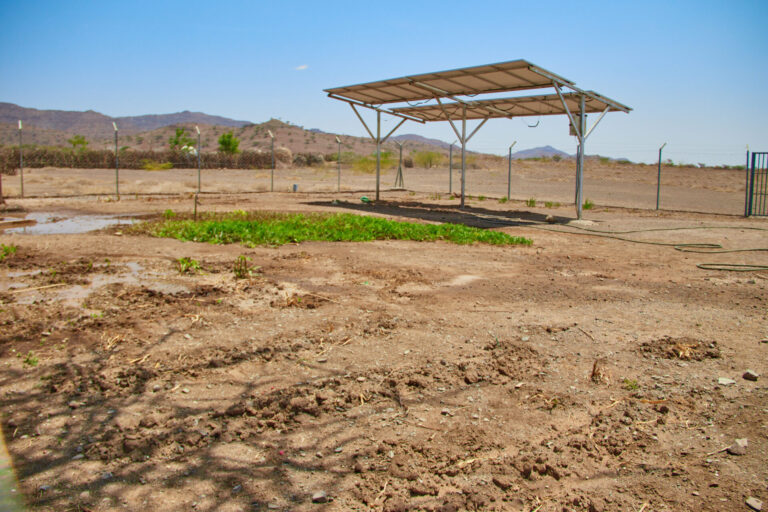
The team further assessed demonstration sites, enterprise units including Black Soldier Fly (BSF), feed formulation and beekeeping and community group
structures in a bid to help generate evidence on implementation progress, livelihood opportunities, and the experiences of different participant groups.
Next steps
The next steps include cleaning and analyzing the collected data, comparing emerging findings with baseline indicators, verifying site and group records,
conducting quality checks, and preparing the monitoring report to inform project learning and adaptive management.
Through this monitoring process, GAI continues to strengthen evidence-based programming and accountability, supporting more inclusive, resilient and
sustainable agricultural livelihoods for communities across Turkana.
Thank you
We extend our appreciation to the field team, partner organizations, community groups and all participants who contributed their time, experiences and insights to
this exercise.